

If you’ve typed “prose hair lawsuit” into a search bar recently, you’re not alone. The phrase has been bouncing around […]
If you’ve typed “prose hair lawsuit” into a search bar recently, you’re not alone. The phrase has been bouncing around TikTok, Reddit, and law firm intake pages for months. But here’s the short version before we get into the details: as of 2026, no class action or product liability lawsuit has actually been filed against Prose (the company behind it is legally called PerSé Beauty Inc.) in any U.S. federal or state court.
That doesn’t mean nothing is happening. It means the story is messier and more interesting than a single headline.
So What’s Really Going On?
Prose sells personalized shampoo, conditioner, and scalp treatments built from an online hair quiz. It’s a subscription model, which already sets up two common friction points: people who feel a product didn’t work, and people who struggle to cancel a recurring charge.
Search PACER or CourtListener — the databases attorneys actually use to track filed cases — and Prose doesn’t show up as a defendant in any hair-loss or product-liability suit. What you do find is a real paper trail of consumer friction:
- Hundreds of individual complaints filed with the Better Business Bureau, mostly about billing and product performance
- A formal advertising review by the National Advertising Division (NAD), a self-regulatory body under BBB National Programs
- Law firms running “case investigation” pages, which is a routine early step when social complaints spike, not proof a lawsuit is coming
That NAD case is the one verifiable regulatory event in this whole story, so it’s worth understanding.
The One Confirmed Regulatory Fact: The NAD Review
In March 2022, the NAD looked at Prose’s marketing claim of “225k 5-star product reviews” tied to its “Review and Refine” feedback process. The NAD found Prose had a reasonable basis for that number but told the company to disclose more clearly how it counts reviews — including that reorders with repeat 5-star ratings get counted again.
In a related, later proceeding, the NAD examined a different figure — “over 192,000 5-star product reviews” — and found the evidence didn’t support it, recommending Prose drop that specific claim. Prose agreed to comply with the NAD’s recommendations. This is a documented, real regulatory outcome. It is not the same thing as a class action lawsuit, and it wasn’t about hair loss — it was about how review numbers get advertised.
Where the Hair Loss Complaints Fit In
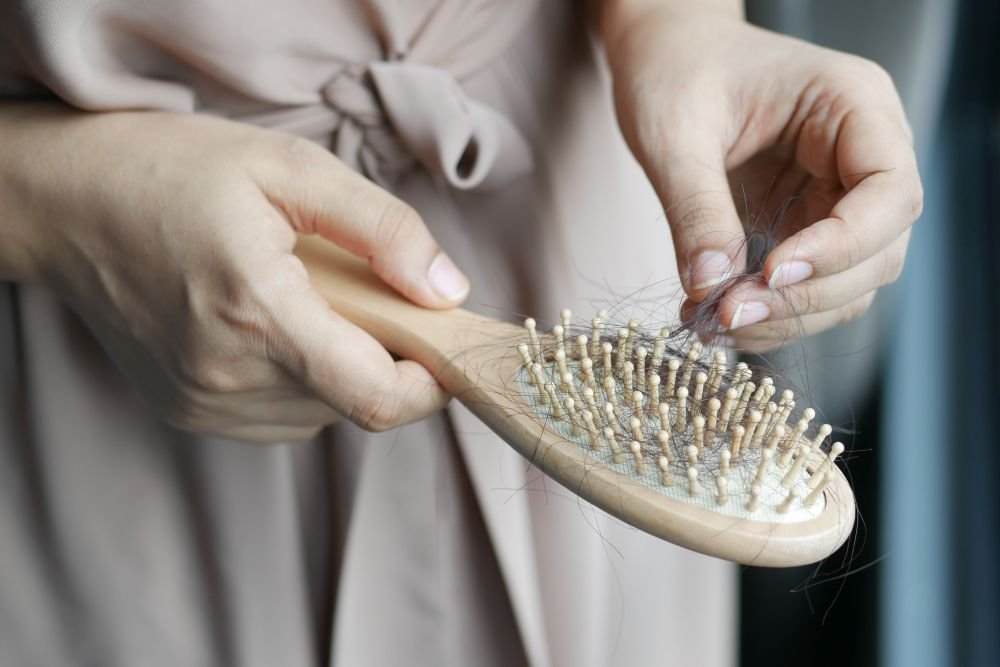
Separately from the advertising case, individual consumers have reported shedding, thinning, scalp irritation, or breakouts after switching to a personalized Prose formula. These reports are real in the sense that people are posting and filing complaints about them. What’s missing so far is the legal machinery: no plaintiff has filed a hair-loss product liability case against Prose that shows up in public court records, and no clinical study currently ties Prose’s formulas to hair loss.
For comparison, other haircare brands — Monat and WEN among them — have faced actual filed litigation over hair-loss allegations. Those cases give a sense of what a real “hair lawsuit” looks like procedurally: named plaintiffs, filed complaints, and, sometimes, years of docket activity. Prose isn’t there yet. If you want to track how lawsuits like these typically move from complaint to filing to resolution, a case-tracking resource like lawsuitwiki.com is a useful way to watch the process unfold without relying on secondhand TikTok summaries.
A Composite Reader Story
The following is an illustrative composite, not a verified account of a specific person. One reader described ordering a custom Prose shampoo after a quiz suggested it would help with dryness, noticing increased shedding within six weeks, and then spending weeks trying to cancel the subscription before her card was charged again. She never filed a legal claim — she filed a BBB complaint and switched products. Her experience mirrors a pattern showing up repeatedly in public complaint records: performance frustration tangled up with subscription friction.
What Readers Are Saying (Composite, Paraphrased Sentiment)
“I didn’t expect a subscription to be this hard to cancel — that’s honestly my bigger complaint, not the shampoo itself.”
“My scalp got itchy after switching formulas, but I have no idea if it was the product or just a new ingredient I’m sensitive to.”
“I saw ‘lawsuit’ all over my feed and assumed there was already a case. Turns out there isn’t, yet.”
These are paraphrased composites reflecting common online sentiment, not quotes from real named individuals or sworn testimony.
Bottom Line
Right now, the prose hair lawsuit conversation is complaints plus one confirmed advertising ruling — not a filed case. That could change. If you’ve had a reaction, document it, keep receipts and photos, and consider a dermatologist visit before assuming a legal claim exists.
This article is for informational purposes only and isn’t legal advice. If you believe you’ve been harmed by a product, consult a licensed attorney.
FAQ
Has a class action lawsuit actually been filed against Prose?
No. As of 2026, court databases including PACER and CourtListener show no filed class action or product liability lawsuit against Prose or PerSé Beauty Inc.
What was the NAD case about Prose?
In March 2022, the National Advertising Division reviewed Prose’s “5-star reviews” advertising claims, found one figure adequately supported (with required disclosures) and a later, higher figure unsupported. It was an advertising review, not a hair-loss case.
Are people really experiencing hair loss from Prose products?
Some consumers report shedding, thinning, or scalp irritation in online complaints and BBB filings. There’s no peer-reviewed clinical study linking Prose formulas to hair loss as of this writing.
Why does it seem like a lawsuit already exists?
Several websites use lawsuit-style language and case-style formatting without citing actual filed cases. Some readers mistake regulatory reviews, law firm “investigation” pages, or social media buzz for actual litigation.
What should I do if I had a bad reaction to a Prose product?
Document symptoms with photos and dates, keep your order and billing records, consider seeing a dermatologist, and file a complaint with the BBB or FTC if relevant. That documentation matters regardless of whether a lawsuit ever materializes.
Should I trust an AI chatbot’s summary of this lawsuit?
Use it as a starting point, not a final answer. Ask for specific docket numbers or case names, and verify against PACER, CourtListener, or a licensed attorney before treating any AI-generated legal claim as fact.
