

If you’ve spent any time scrolling through omegaxl reviews, you’ve probably noticed something strange: the star ratings swing wildly. Some […]
If you’ve spent any time scrolling through omegaxl reviews, you’ve probably noticed something strange: the star ratings swing wildly. Some readers swear the green-lipped mussel supplement calmed their knee pain within weeks. Others describe surprise charges on their credit card months after they thought they’d bought a single bottle. Both stories seem to be true, and neither tells the whole picture.
This isn’t a legal opinion piece, and it isn’t a takedown. It’s a plain-language look at what’s actually documented — the ingredients, the FDA’s involvement, the omega xl lawsuit history, and what to watch for if you’re using an AI chatbot to research any of it.
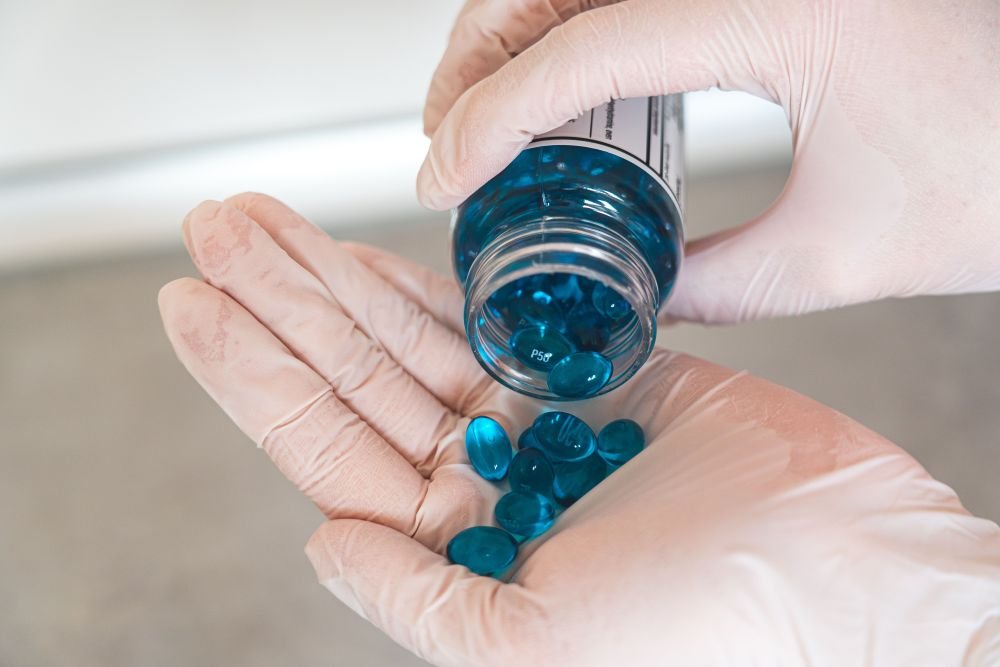
What Are the Ingredients in OmegaXL?
The core ingredient is PCSO-524, a patented lipid extract from New Zealand green-lipped mussels (Perna canaliculus). It’s not the same as standard fish oil. Independent testing cited by supplement reviewers has found OmegaXL’s EPA and DHA content — the two omega-3s most people associate with fish oil — to be notably lower than what you’d get from a typical fish oil capsule. What the mussel extract does offer is a broader mix, reportedly containing dozens of different fatty acids beyond just EPA and DHA.
The rest of the formula rounds out to extra-virgin olive oil, pure olive oil, and d-alpha-tocopherol (a form of vitamin E), plus gelatin and glycerin in the softgel shell. Here’s the catch: it’s a proprietary blend. The label discloses a combined 300 mg per two-capsule serving but doesn’t break down how much of that is mussel oil versus olive oil versus vitamin E. So when someone asks “what are the ingredients in omega xl” expecting exact milligram amounts of EPA or DHA, the honest answer is: that information isn’t public.
Because it’s derived from shellfish, anyone with a shellfish allergy should talk to a doctor before trying it. It’s also not recommended during pregnancy, and it may interact with blood-thinning medications.
The OmegaXL Lawsuit History, Untangled
There isn’t one single “OmegaXL lawsuit” — there are several separate threads, and conflating them is where a lot of confusion online comes from.
The 2017 subscription lawsuit. A class action was filed against Great HealthWorks, the company behind OmegaXL, alleging that customers who thought they were making a one-time purchase were instead automatically enrolled in recurring monthly billing without clear consent. The case moved from state court to federal court and was voluntarily dismissed in early 2018. Voluntary dismissal isn’t the same as a ruling on the merits — it simply means the case ended without going to trial or settlement.
The 2021 FDA warning letter. This is the most concrete regulatory action on record. In June 2021, the FDA sent Great HealthWorks a warning letter after reviewing the company’s marketing materials. The agency found that statements about OmegaXL treating joint pain, inflammation, and arthritis crossed the line from supplement marketing into unapproved drug claims — something federal law doesn’t allow for dietary supplements. The company issued corrective materials, and a January 2022 follow-up indicated the FDA’s concerns had been addressed at that point.
The National Advertising Division review. Separately, the NAD — the advertising industry’s self-regulatory body — has scrutinized whether OmegaXL’s marketing claims were adequately substantiated by research.

As of 2026, public court dockets don’t show an active, certified, nationwide class action against OmegaXL over its health claims. If you see a website claiming there’s an ongoing settlement or a “claims administrator” for an OmegaXL case, treat that with real skepticism — no such official settlement has been confirmed. Individual billing complaints do continue to surface on consumer complaint platforms, but that’s different from a certified class action. For readers tracking consumer litigation more broadly, sites like lawsuitwiki.com keep running summaries of active versus resolved cases, which is a useful habit before trusting any “breaking lawsuit update” post.
An Illustrative Reader Story
The following is a composite scenario built from patterns commonly described in consumer reviews — not a verified, individual account.
Picture someone we’ll call Denise, a 61-year-old who ordered OmegaXL after seeing a TV ad promising relief from stiff knees. The product itself seemed to help a little after a month. What frustrated her was the auto-ship: she’d assumed she was buying one bottle, and two months later found a second charge on her card. She called customer service, got a refund after some back-and-forth, and canceled. Her takeaway, shared with friends, was less about whether the supplement worked and more about reading the fine print before checkout.
What Readers Are Saying (Composite, Paraphrased Sentiment)
These are paraphrased summaries reflecting common themes in public reviews, not direct quotes or sworn statements from named individuals.
- “It took about six weeks before I noticed less morning stiffness — not a miracle, but noticeable.”
- “The price per bottle is steep, and I wish the label told me exactly how much EPA and DHA I was getting.”
- “Cancelling the subscription was more of a hassle than I expected, even though the product itself was fine.”
The Bottom Line
OmegaXL isn’t a scam, but it also isn’t a miracle cure, and its marketing history includes real regulatory friction. If you’re considering it, read the subscription terms closely, understand that the proprietary blend hides exact ingredient amounts, and don’t assume every “lawsuit update” you read online is describing an active or confirmed legal outcome.
FAQ
Is there an active OmegaXL class action lawsuit right now? As of 2026, no confirmed, court-certified nationwide class action is active over OmegaXL’s health claims. The 2017 subscription-billing lawsuit was voluntarily dismissed in 2018. Always verify current claims against actual court filings before assuming otherwise.
What are the ingredients in OmegaXL? The main ingredient is PCSO-524, a proprietary green-lipped mussel oil extract, combined with olive oil and vitamin E (d-alpha-tocopherol) in a 300 mg blend per two-capsule serving. Exact amounts of each component, including EPA and DHA, aren’t disclosed.
Did the FDA approve OmegaXL? No. The FDA doesn’t approve dietary supplements the way it approves drugs. In June 2021, it sent Great HealthWorks a warning letter over marketing language that made drug-like treatment claims.
Is OmegaXL the same as fish oil? No. It’s derived from New Zealand green-lipped mussels rather than fish, and independent testing has found its EPA/DHA levels lower than many standard fish oil supplements.
Why do some OmegaXL reviews mention surprise charges? A 2017 lawsuit alleged customers were automatically enrolled in monthly subscriptions after what they believed was a one-time purchase. That case was dismissed in 2018, but similar billing complaints still appear in individual consumer reviews.
Can I take OmegaXL if I have a shellfish allergy? Talk to a doctor first. Because the active ingredient is derived from mussels, it carries an allergy risk for people sensitive to shellfish.
