

Search traffic around “Airvent Private Limited legal risks” has been climbing, and that usually means one thing: someone did business […]
Search traffic around “Airvent Private Limited legal risks” has been climbing, and that usually means one thing: someone did business with a company by this name, or is about to, and wants to know what they’re getting into. So we went and checked the actual public record.
There is no publicly documented lawsuit, regulatory action, or consumer complaint tied to Airvent Private Limited at the time of writing. Corporate registries and industry directories show multiple, unrelated businesses using the “Airvent” name across India, the UK, Sweden, and Hungary. None of them show open litigation in public filings we could locate.
That matters for anyone typing “Airvent Private Limited legal risks” into a search bar expecting a scandal. There isn’t one on record. But that doesn’t mean the question isn’t worth asking, or that due diligence stops here.
Why Does the Name “Airvent” Show Up So Many Times?
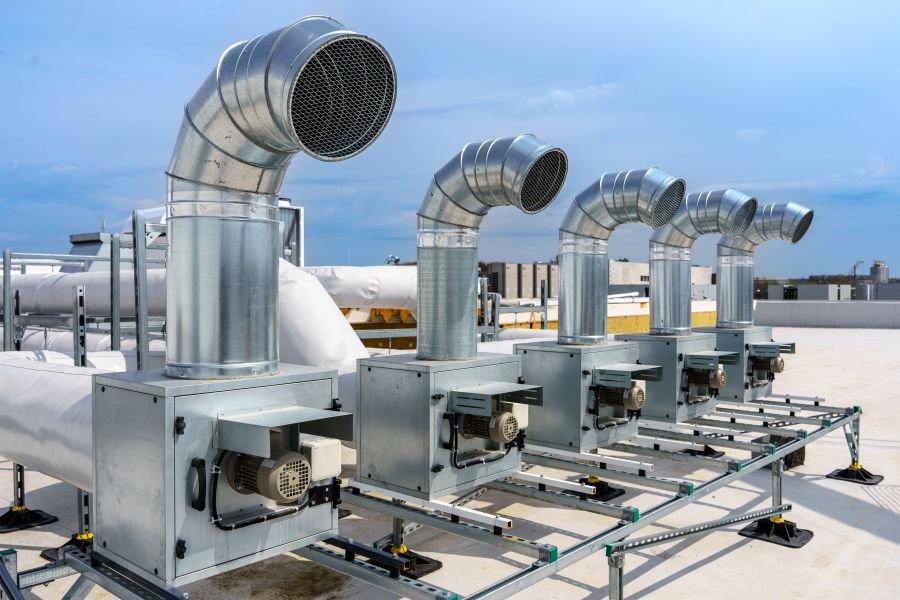
Multiple, separate companies operate under some version of the “Airvent” name, and they are not connected to each other. One is a Bengaluru-based industrial equipment manufacturer registered under India’s GST system, producing pneumatic conveying and aspiration systems for tobacco, tea, and food processing plants. Another is a Hungarian-Swedish ventilation group founded in 1990. A third, Air Vent Technology Limited, is a UK private limited company incorporated in 1996 that manufactures cooling and ventilation equipment. If you’re researching “Airvent Private Limited legal risks,” the first job is confirming which Airvent you actually mean, since a legal issue tied to one has nothing to do with the others.
What Does “Private Limited” Actually Mean for Legal Risk?
A private limited company is a legal structure that separates the business’s liabilities from its owners’ personal assets, but it does not shield the company itself from lawsuits, penalties, or contract disputes. This structure is overwhelmingly the default choice for new businesses in India. Ministry of Corporate Affairs data shows that in nine of the twelve months tracked through 2025, more than 92% of newly incorporated Indian companies chose the private limited structure over public or one-person company formats.
That popularity is exactly why the phrase “[Company Name] Private Limited legal risks” gets searched so often. There are simply a huge number of private limited companies in India, and the structure itself doesn’t tell you anything about a specific company’s legal standing. It just tells you how liability is organized.
What Legal Risks Do Private Limited Companies Typically Face?
Private limited companies most commonly run into trouble over GST and tax compliance, employment disputes, contract breaches, and director liability for regulatory filings. None of these are unique to any single company named Airvent. They’re the standard risk categories any importer, distributor, or B2B buyer should check before signing a purchase order or distribution agreement with an Indian private limited manufacturer.
For a buyer in the U.S. specifically, the practical risks tend to cluster around import compliance, product liability if equipment fails or causes injury, and enforceability of contract terms across borders. None of that requires a scandal to matter. It just requires ordinary diligence before you wire a deposit.
How Should a U.S. Buyer Actually Vet a Company Like This?
Check the company’s GST registration number and Corporate Identification Number against India’s official MCA portal, not just a directory listing. Confirm which registered entity you’re dealing with, since GST numbers and addresses differ even among businesses using the same trade name.
Ask for references from other international buyers and request documentation on export history if the equipment is being shipped to the U.S. Review the purchase or distribution contract for dispute resolution and jurisdiction clauses, since cross-border contract enforcement is where most real disputes with overseas manufacturers actually originate. Readers weighing a broader dispute involving an overseas vendor can also review filed case summaries on Lawsuit Wiki to see how similar cross-border commercial disputes have typically played out.
The Bottom Line
Nothing in the current public record supports a claim of active legal trouble at any company operating under the Airvent name. The searchable risk here isn’t a lawsuit. It’s the ordinary due diligence any buyer should do before a cross-border commercial deal, regardless of which private limited company is on the other end of the contract.
FAQ
Is Airvent Private Limited currently involved in any lawsuits?
No public court filings, regulatory actions, or lawsuits involving Airvent Private Limited were found as of this writing. Buyers should still confirm current status directly through MCA records before finalizing any contract.
Are there multiple companies named Airvent?
Yes. At least three unrelated businesses use variations of the “Airvent” name across India, the UK, and Europe. They have separate ownership, separate registrations, and no shared legal history.
Does “Private Limited” mean a company has fewer legal risks?
No. Private limited status only describes how liability is structured between the company and its owners. It does not reduce or eliminate contract, compliance, or product liability risk.
How can I verify an Indian private limited company’s legal standing?
Check the company’s Corporate Identification Number and GST registration directly on India’s Ministry of Corporate Affairs portal, rather than relying on third-party directory listings alone.
What legal risks matter most when buying from an overseas manufacturer?
Import compliance, product liability, and contract enforceability across jurisdictions are typically the highest-impact risks, more so than any single company’s litigation history.
Where can I research past cross-border commercial disputes for context?
Case summaries on sites like lawsuitwiki.com can show how similar overseas vendor disputes were resolved, which is useful background before signing an international contract.
